Posted on Leave a comment

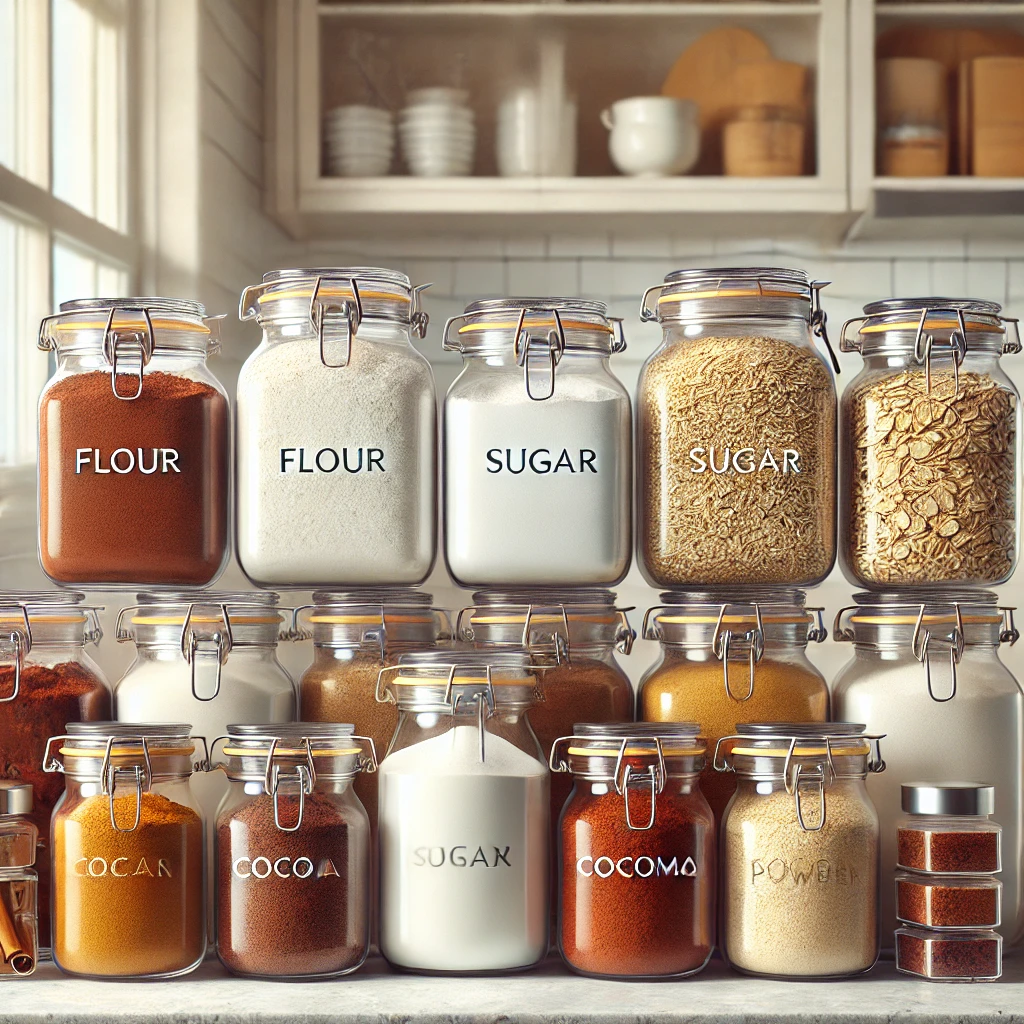
How to Plan and Prepare for Catering Large Events

How to Plan and Prepare for Catering Large Events

The process of catering large events demands precise planning along with thorough preparation. The success of your event depends on every detail starting from menu development through staff organization and supply management. The following guide provides essential steps for planning and preparing successful large-scale catering events.

1. Determine the Guest Count

The first step begins with verifying the total number of guests. The guest count enables you to determine proper food amounts as well as necessary staffing and supply requirements. You should include space for unexpected guest additions to your calculations.

2. Choose a Simple, Crowd-Pleasing Menu

Select food items which can be produced in big quantities while satisfying different tastes. You should prepare food options that serve both vegetarians and those with gluten intolerance while maintaining a balanced selection of dishes.

3. Purchase Ingredients in Bulk

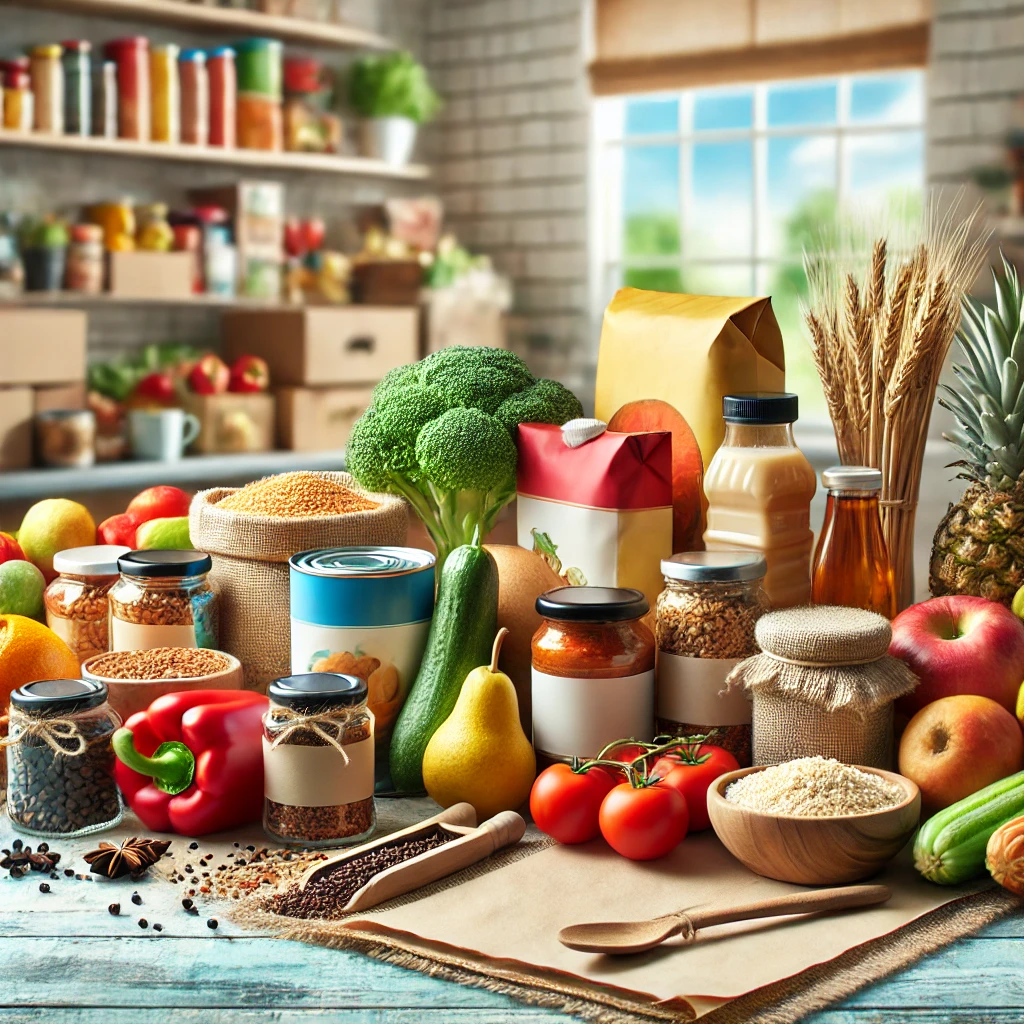
The purchase of bulk ingredients results in lower costs while providing sufficient quantities for the entire event. The purchase of staple ingredients including grains and proteins and produce allows you to prepare different dishes.

4. Organize Your Staff and Assign Roles

The hiring process should include selecting staff members who will perform cooking duties as well as serving responsibilities and cleaning tasks. A properly organized team structure ensures event success while minimizing potential delays.

5. Plan for Storage and Transport

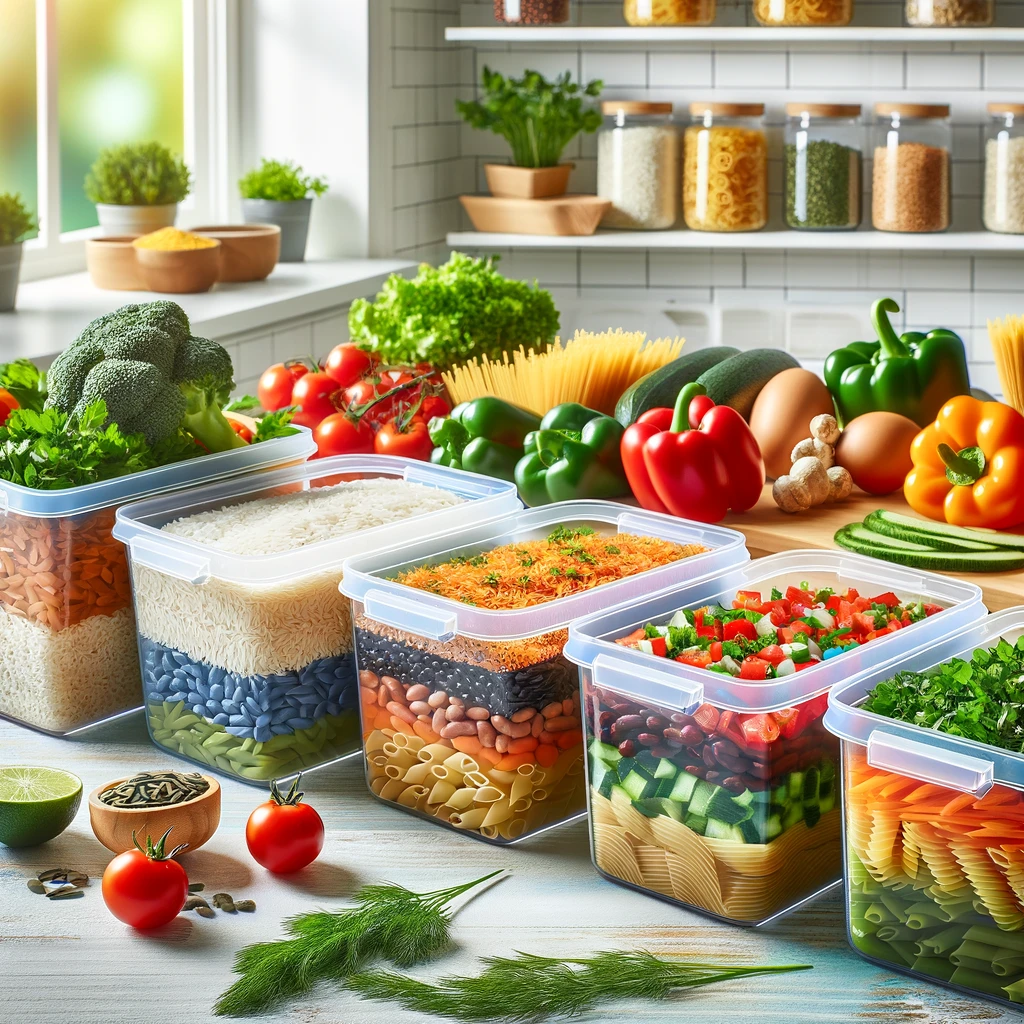
Establish safe storage facilities together with transportation systems for food items. You should purchase high-quality containers and coolers because they help preserve food freshness especially when the event takes place outside the kitchen.

Conclusion

The process of catering large events becomes smooth and rewarding when properly planned. Your event will succeed in meeting guest expectations and running efficiently when you plan your menu and staff and supplies in advance.

Posted on Leave a comment

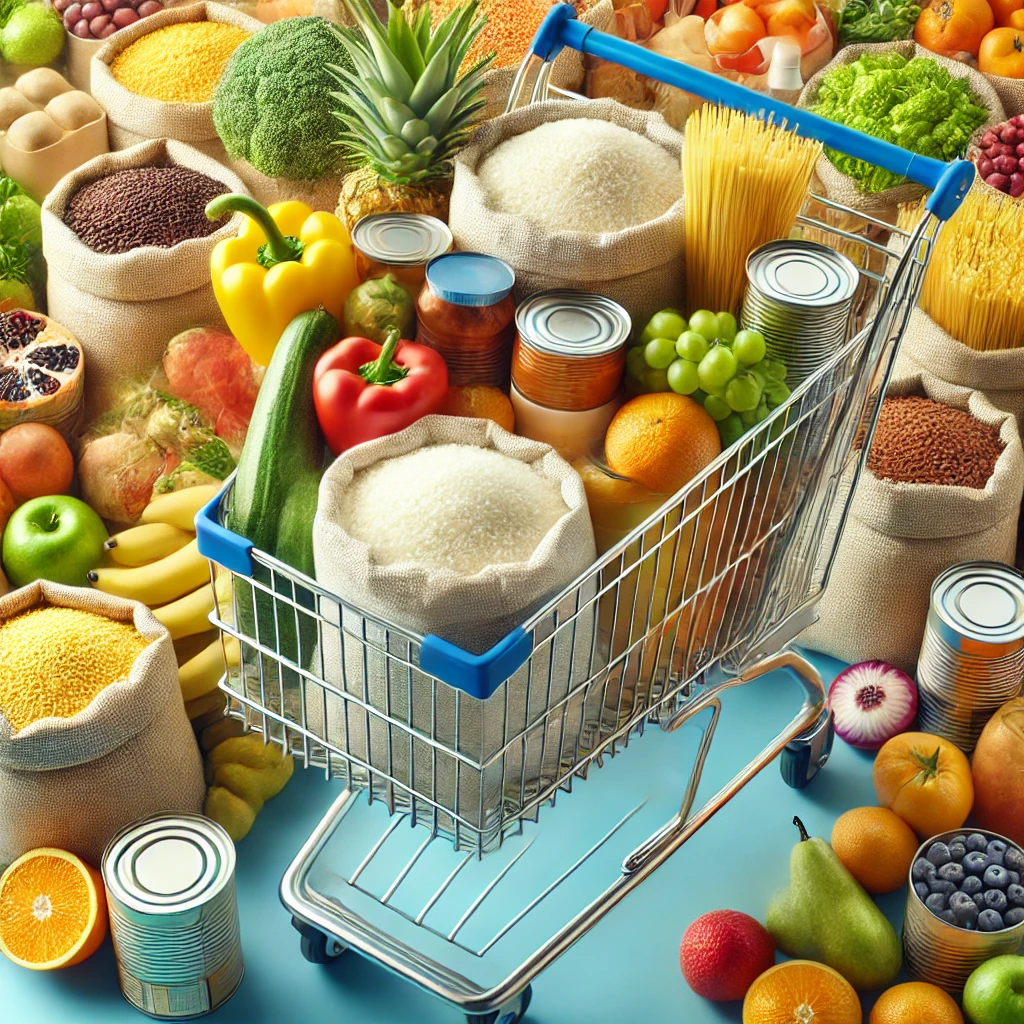
How Bulk Buying Helps You Save on Weekly Grocery Shopping

The practice of buying in bulk enables customers to cut down their weekly grocery expenses.

The practice of bulk purchasing provides an easy solution to decrease your weekly grocery expenses. Buying staple items in bulk quantities allows you to save money and reduce your store visits while maintaining a fully stocked pantry. The practice of bulk buying enables you to reduce your weekly grocery expenses through multiple ways.

1. Lower Cost per Unit

The cost per unit of bulk purchases remains lower than purchasing smaller quantities of the same items. You can obtain better value from your money through bulk purchases especially when you buy essential items including grains and beans and household supplies.

2. Reduced Shopping Frequency

Having bulk items available in your storage allows you to limit your shopping trips to the store. The practice of bulk shopping helps you save time and reduces both transportation expenses and the accumulation of unnecessary purchases that occur during multiple store visits.

3. Less Waste

The practice of buying only weekly necessities results in food waste particularly when dealing with perishable products. The long shelf life of bulk grains along with dried beans and canned goods allows you to purchase larger quantities without worrying about spoilage.

4. Ready Supply of Essentials

Having bulk ingredients stored in your pantry allows you to make any meal without needing to visit the store. The practice proves beneficial for households that make homemade meals because it provides them with a constant supply of ingredients.

5. Eco-Friendly Shopping

The packaging requirements for bulk items are typically lower which makes them a better choice for sustainability. The practice of bulk purchasing reduces both plastic waste and packaging materials which supports environmentally friendly grocery shopping.

Conclusion

The practice of bulk purchasing represents an intelligent method to cut down your grocery expenses during each week. Buying staple items in bulk quantities helps you save money and decreases waste while maintaining your kitchen supplies.

Posted on Leave a comment

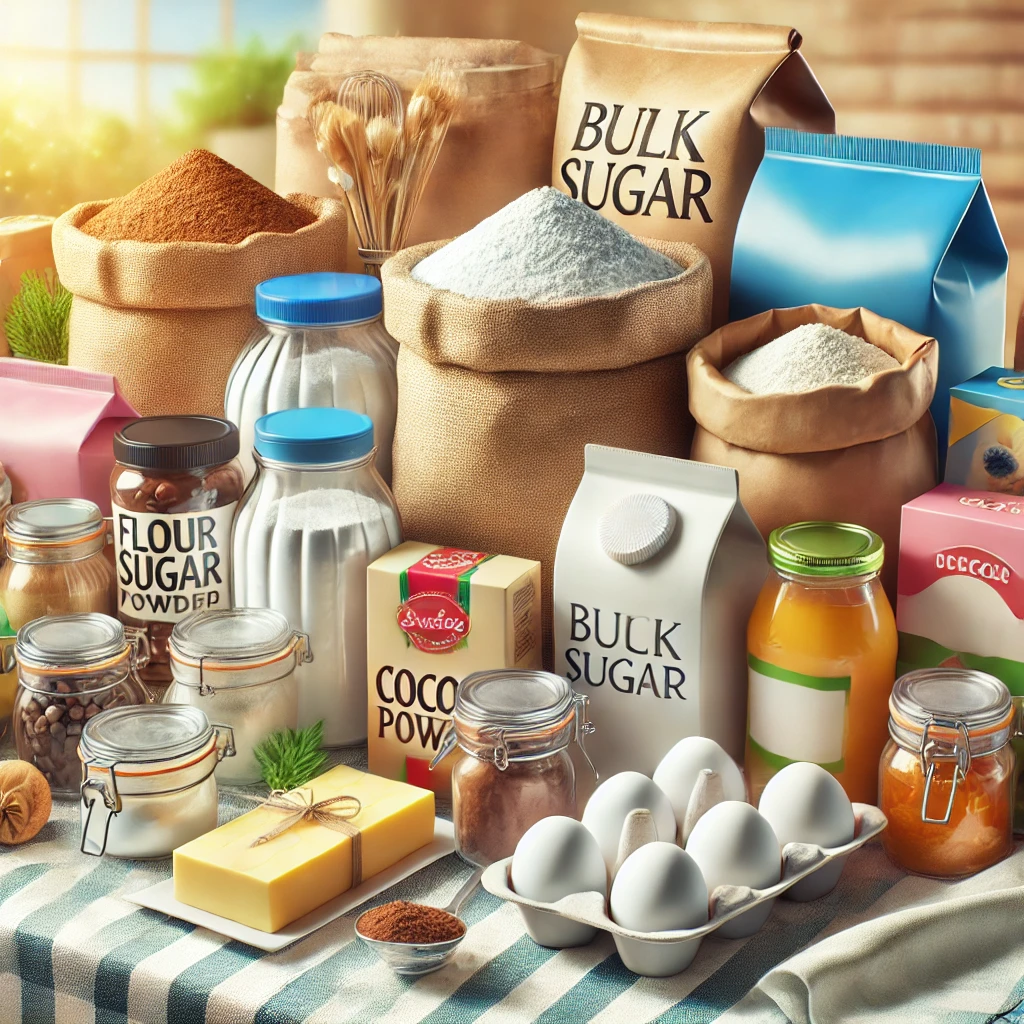
Why Buy Baking Supplies in Bulk for Big Events

The Advantages of Purchasing Large Quantities of Baking Supplies for Big Events

Event planning for weddings and corporate events and holiday parties demands extensive preparation particularly when it comes to food distribution. Baking supplies are fundamental for dessert preparation yet purchasing them in bulk delivers various advantages to event planners and caterers. Bulk purchases of baking supplies should always be your first choice when organizing large events.

1. Cost Savings

The purchase of large quantities of baking ingredients through bulk buying results in cheaper prices for flour and sugar and eggs and other ingredients. Budget-friendly events benefit greatly from bulk ingredient purchases because they result in major savings for large-scale events.

2. Consistency and Quality Control

Your baked goods will have consistent flavor and texture because you source ingredients from one supplier or one production batch. Uniformity and high quality become essential factors when guests expect identical exceptional experiences during each dessert serving.

3. Convenient Preparation

Buying baking supplies in bulk reduces the need for frequent store visits and allows you to dedicate more time to preparation work. The availability of ingredients in bulk lets you prepare desserts efficiently since you can avoid last-minute shortages of vital ingredients.

4. Long Shelf Life

Proper storage extends the shelf life of baking ingredients such as flour sugar and baking powder for an extended period. The practice of bulk purchasing enables you to accumulate necessary supplies for upcoming events as well as future uses.

5. Flexibility in Menu Options

The availability of bulk supplies enables you to modify your menu options according to event specifications. The availability of diverse ingredients enables you to prepare different dessert options ranging from cakes and cookies to pastries and pies.

Conclusion

Big events benefit from bulk baking supply purchases because they reduce costs and maintain consistent quality while providing easy access to all required ingredients. A fully stocked baking supply pantry provides you with the confidence to make delicious desserts that will please every guest.

Posted on Leave a comment

The Ultimate Checklist for Catering Supplies in Bulk

The Ultimate Checklist for Catering Supplies in Bulk

Catering operations need different supplies which enable efficient service delivery. Purchasing supplies in bulk reduces costs while providing you with sufficient resources for any upcoming event. The following list contains all necessary catering supplies which should be purchased in bulk quantities.

1. Disposable Plates and Cutlery

The combination of disposable plates and cups with cutlery provides fast setup and effortless cleaning operations. The purchase of sustainable alternatives should be considered to decrease waste production.

2. Serving Utensils

The buffet service requires bulk serving utensils which include tongs and ladles and serving spoons. Select serving utensils that will withstand multiple uses.

3. Chafing Dishes and Fuel

Chafing dishes serve as both warming containers and display solutions for food. A bulk purchase of dishes and fuel will provide you with the necessary equipment for handling big events that serve hot meals.

4. Beverage Dispensers

The use of bulk beverage dispensers allows quick drink service for water and iced tea and juice. The system eliminates the need for single servings which helps decrease waste and saves time.

5. Tablecloths and Napkins

Reusable or disposable tablecloths and napkins serve to protect tables from dirt while creating a professional appearance. Select neutral-colored tablecloths and napkins because they match any event theme.

6. Food Storage Containers

Food storage containers serve as vital tools for maintaining prepped ingredients and leftovers and bulk supplies. Select storage containers that are airtight and stackable for efficient organization.

7. Trash Bags and Bins

Large events produce substantial waste so it is important to stock up on trash bags and bins. The venue should have trash bins placed throughout to simplify post-event cleaning operations.

Conclusion

The checklist provides complete preparation.

Posted on Leave a comment

Benefits of Bulk-Buying for Meal Prepping and Planning

Benefits of Bulk-Buying for Meal Prepping and Planning

The practice of bulk purchasing serves as an excellent method to prepare meals in advance. The purchase of bigger ingredient quantities helps you organize your cooking process and decreases food waste and saves both time and money. The main advantages of bulk purchasing for meal preparation include the following.

1. Cost Savings

The practice of buying food in bulk helps you obtain better prices per unit thus becoming an economical choice. You can acquire premium ingredients at affordable prices through bulk purchases which benefits both families and people who prep meals.

2. Reduced Shopping Trips

The practice of buying bulk products decreases the need to visit stores repeatedly which both saves money and reduces transportation expenses. Your pantry stocked with ingredients enables you to prepare meals at any time without needing additional shopping.

3. Less Waste

Having bulk ingredients available lets you measure out specific portions needed for each meal which helps minimize food waste. The remaining portions can be preserved for future recipe preparation.

4. Streamlined Meal Prep

Having bulk ingredients on hand allows you to prepare meals in advance because they provide all the necessary staple ingredients. You can prepare meals in advance for freezing which guarantees you will have nutritious food available whenever you need it.

5. Variety and Flexibility

The variety of bulk ingredients enables you to create different meals throughout each week. The bulk availability of grains beans and spices enables you to experiment with new recipes while avoiding additional shopping trips.

Conclusion

The practice of bulk purchasing serves as an efficient method to prepare meals in advance while saving money. Bulk-buying helps people reduce their shopping trips while minimizing waste and offering flexible meal options which makes it an ideal strategy for anyone who wants to simplify their cooking routine.

Posted on Leave a comment

Top 10 Budget-Friendly Bulk Ingredients for Families


Top 10 Budget-Friendly Bulk Ingredients for Families

Top 10 Budget-Friendly Bulk Ingredients for Families

Bulk-buying is a great way for families to save money and keep essentials on hand. Certain ingredients are both versatile and affordable, making them perfect choices for stocking up. Heres a list of the top 10 budget-friendly bulk ingredients for families.

1. Rice

Rice is a staple food in many households. Its affordable, has a long shelf life, and can be used in a variety of dishes from stir-fries to casseroles.

2. Pasta

Pasta is easy to cook, versatile, and popular with kids and adults alike. Buying in bulk ensures you always have a quick meal option on hand.

3. Dried Beans

Dried beans are budget-friendly, nutritious, and protein-rich. Theyre perfect for soups, stews, and salads and have a long shelf life.

4. Oats

Oats are a great option for breakfast and baking. Theyre affordable and nutritious, making them a great staple for families.

5. Flour

Flour is essential for baking and cooking. Buying in bulk allows you to bake fresh bread, pancakes, and treats at home for less.

6. Frozen Vegetables

Bulk frozen vegetables are convenient and nutritious. They last longer than fresh vegetables and are great for adding to meals without extra prep time.

7. Canned Tomatoes

Canned tomatoes are a base for many dishes, from sauces to soups. Theyre affordable, have a long shelf life, and are easy to store.

8. Sugar

Sugar is used in baking and cooking. Buying in bulk saves money and ensures youre ready to whip up a treat anytime.

9. Cooking Oil

Cooking oil is essential for frying, baking, and sautéing. Bulk oil is often more economical, and it lasts for months in a cool, dry place.

10. Spices

Basic spices like salt, pepper, and paprika add flavor to any meal. Bulk spices reduce the need for frequent restocking and add variety to your dishes.

Conclusion

These budget-friendly bulk ingredients are versatile and perfect for families. By stocking up on these essentials, you can save money and simplify meal planning, ensuring your family is always well-fed.


Posted on Leave a comment

What Every Beginner Should Know About Bulk Food Shopping


What Every Beginner Should Know About Bulk Food Shopping

What Every Beginner Should Know About Bulk Food Shopping

Bulk food shopping is a cost-effective, convenient way to stock up on essentials. For beginners, there are some important tips and tricks to make the most out of bulk-buying without waste. Heres what every beginner should know about bulk food shopping.

1. Start with Non-Perishables

If youre new to bulk shopping, start with non-perishable items like rice, pasta, and canned goods. These items have a long shelf life and are easy to store, making them ideal for beginners.

2. Buy What You Use Regularly

Focus on buying items you frequently use. This ensures youll go through them before they expire, preventing waste and maximizing your savings.

3. Invest in Good Storage Containers

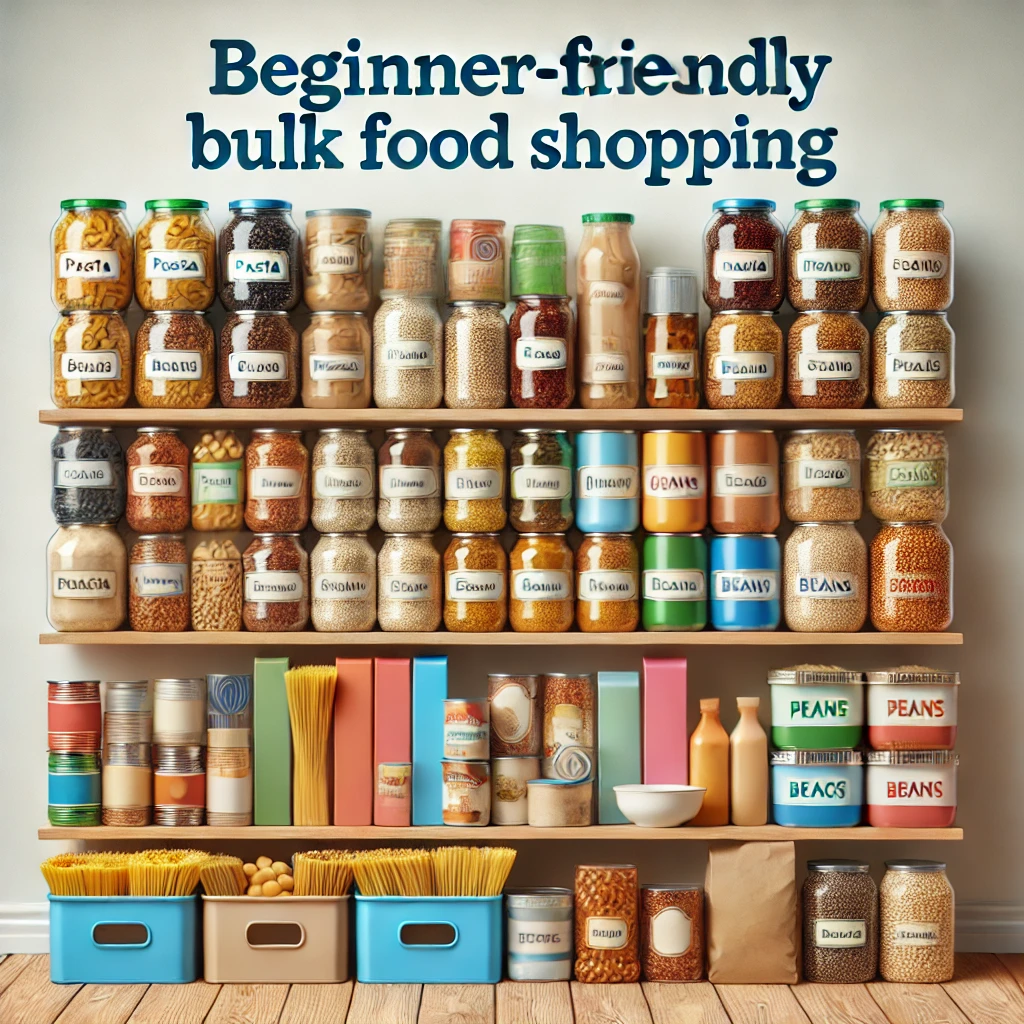
Quality storage containers keep bulk items fresh and free from pests. Airtight containers are particularly useful for flour, grains, and other pantry staples.

4. Organize Your Pantry

An organized pantry makes it easier to track what you have and prevents duplicate purchases. Label containers and keep older items at the front for easy access.

5. Check Expiration Dates

Check expiration dates before buying in bulk, especially for perishable items. This helps ensure youll use everything in time, reducing waste and spoilage.

Conclusion

Bulk food shopping is a great way to save money and reduce trips to the store. By starting with non-perishables, investing in storage, and organizing your pantry, you can enjoy the benefits of bulk-buying without the risk of waste.


Posted on Leave a comment

How to Choose the Right Wholesale Supplier for Food Ingredients

!DOCTYPE html>


How to Choose the Right Wholesale Supplier for Food Ingredients

How to Choose the Right Wholesale Supplier for Food Ingredients

Choosing the right wholesale supplier is essential for ensuring the quality, cost-effectiveness, and reliability of your food ingredients. Here are some key factors to consider when selecting a wholesale supplier for your business.

1. Quality Standards

Look for suppliers who prioritize quality and offer certifications like organic, non-GMO, or fair-trade labels. High-quality ingredients ensure your products meet customer expectations.

2. Pricing and Discounts

Compare prices across different suppliers to find the best value. Many suppliers offer discounts on bulk orders, so take advantage of any cost-saving opportunities.

3. Delivery and Reliability

Choose a supplier with a track record of timely deliveries and consistent availability. Reliable deliveries are essential for maintaining a steady supply of ingredients for your business.

4. Customer Support

Good customer service is vital. Select a supplier that offers responsive support and can answer questions or address concerns quickly. This is especially important if you experience any issues with orders or products.

5. Flexible Ordering Options

Look for suppliers that offer flexible ordering options, allowing you to adjust quantities based on demand. This helps prevent overbuying and minimizes waste.

Conclusion

By evaluating quality, pricing, delivery, and customer support, you can find the right wholesale supplier for your food ingredients. With the right partner, your business will benefit from reliable, high-quality ingredients at competitive prices.


Posted on Leave a comment

Bulk-Buying Tips for Small Catering Businesses


Bulk-Buying Tips for Small Catering Businesses

Bulk-Buying Tips for Small Catering Businesses

Bulk-buying can be a cost-effective strategy for small catering businesses, allowing you to save money on essential ingredients and supplies. Here are some bulk-buying tips to help you make the most of your purchases while maintaining quality and minimizing waste.

1. Buy Non-Perishables in Large Quantities

Non-perishable items like grains, pasta, and canned goods are ideal for bulk-buying. These items have a long shelf life and are versatile, making them essential staples for catering menus.

2. Calculate Your Needs Accurately

Estimate your needs based on past events or sales data. This helps you avoid overbuying perishable items and ensures you have enough stock to meet demand without waste.

3. Prioritize High-Use Ingredients

Focus on ingredients that you use frequently, such as cooking oil, spices, and flour. Buying these items in bulk can save you money and reduce the frequency of shopping trips.

4. Invest in Proper Storage Solutions

Quality storage containers are essential for keeping bulk items fresh. Invest in airtight containers, bins, and refrigeration units to store ingredients safely and maintain their quality.

5. Negotiate with Suppliers

Many suppliers offer discounts for bulk orders, especially for small businesses. Dont hesitate to negotiate prices or ask about special offers for loyal customers.

Conclusion

With careful planning and smart storage, bulk-buying can be a valuable strategy for small catering businesses. By purchasing high-use items, investing in storage, and working with suppliers, you can cut costs and streamline your operations.


Posted on Leave a comment

The Best Ways to Store Bulk Flour and Grains at Home


The Best Ways to Store Bulk Flour and Grains at Home

The Best Ways to Store Bulk Flour and Grains at Home

Storing bulk flour and grains properly is essential to maintain freshness, prevent pests, and avoid waste. With a few simple storage solutions, you can keep your bulk items in top condition for months. Heres how to store flour and grains at home effectively.

1. Use Airtight Containers

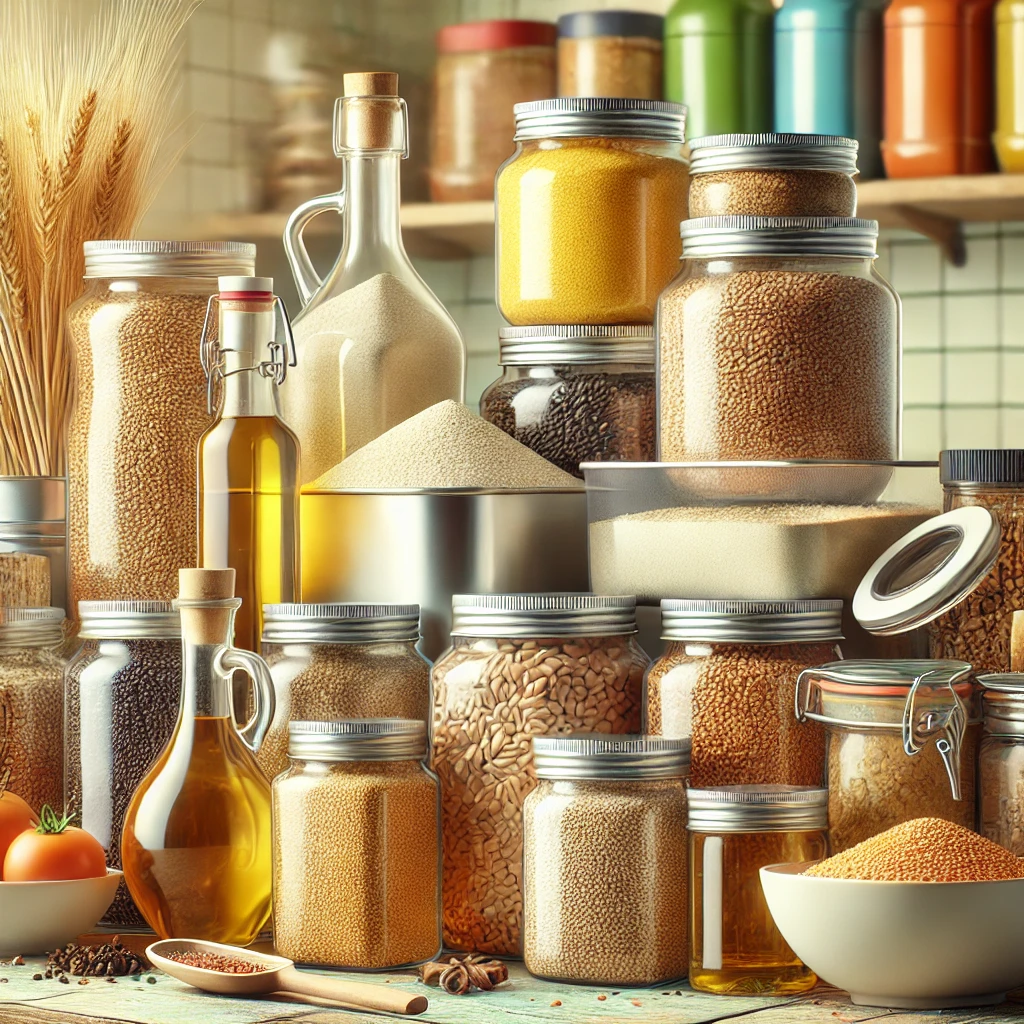
Airtight containers are essential for keeping flour and grains fresh. They prevent moisture, air, and pests from getting in. Choose glass jars, plastic containers, or stainless-steel bins with secure lids for the best results.

2. Store in a Cool, Dry Place

Heat and humidity can lead to spoilage and attract pests. Store your containers in a cool, dry pantry or cupboard to maximize shelf life. Avoid storing near ovens or stoves where temperatures fluctuate.

3. Freeze for Long-Term Storage

If you buy flour and grains in very large quantities, consider freezing them to extend freshness. Freezing kills any potential insect eggs and preserves nutrients. Place items in freezer-safe bags or containers.

4. Label with Purchase Dates

Label each container with the purchase date to help you keep track of freshness. Use the oldest items first and practice “first in, first out” to prevent waste.

5. Use Vacuum-Sealed Bags for Smaller Portions

For smaller portions, vacuum-sealed bags are ideal for keeping items fresh. This is especially helpful if you dont have large containers or freezer space.

Conclusion

By using airtight containers, storing in a cool, dry place, and labeling with dates, you can keep bulk flour and grains fresh and ready to use. These methods ensure your ingredients are well-preserved, so you can enjoy quality and convenience in your cooking.