How to Store Bulk Food Supplies for Long-Lasting Freshness
Buying food in bulk is a smart way to save money and reduce shopping trips. However, proper storage is essential to keep these items fresh and prevent spoilage. In this guide, well explore effective ways to store different types of bulk foods to ensure they last as long as possible.
Why Proper Storage Matters
Proper storage not only preserves the quality of food but also extends its shelf life. Without correct storage, food can spoil more quickly, leading to waste and unnecessary expense.
Storage Tips for Different Types of Food
1. Dry Goods (Grains, Pasta, Rice)
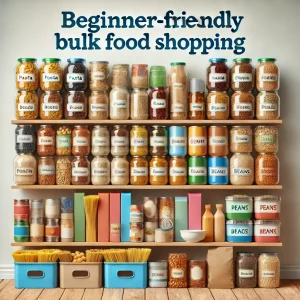
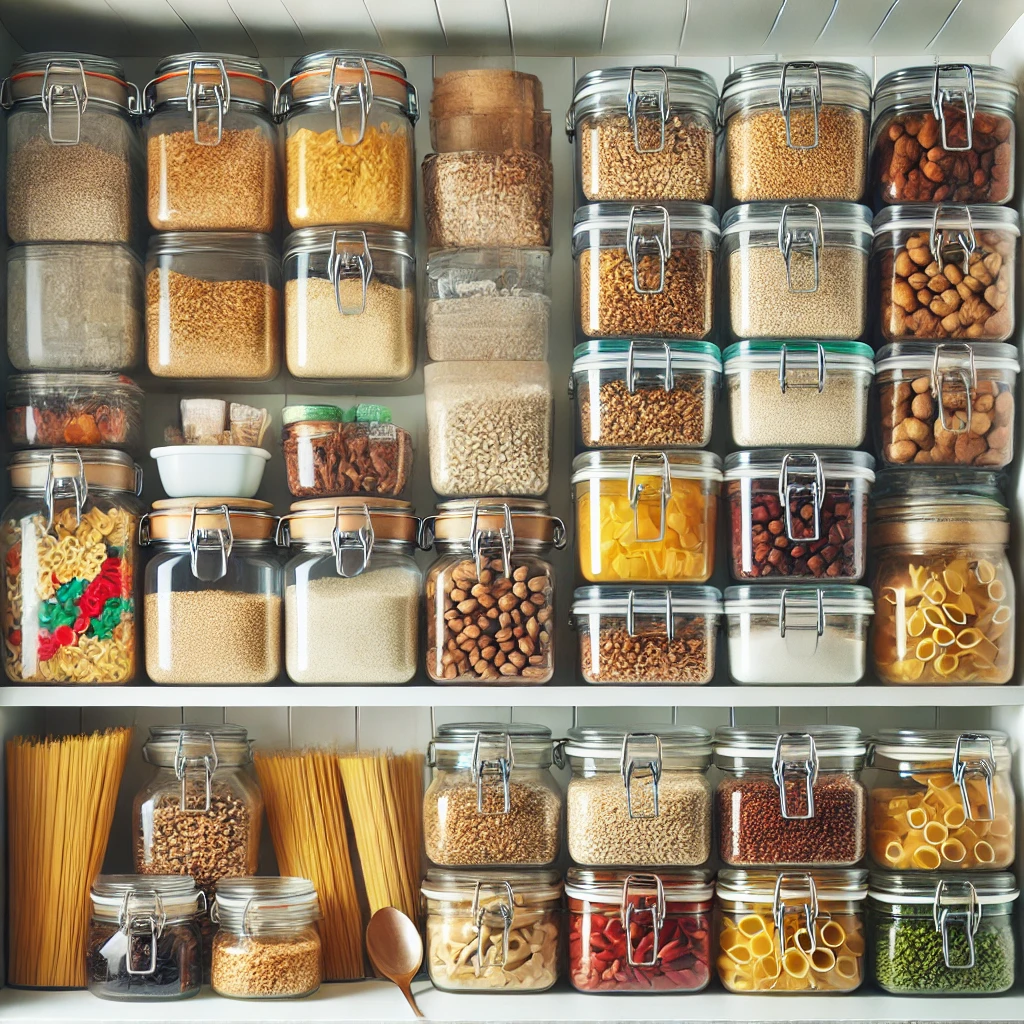
Dry goods like rice, pasta, and grains should be stored in a cool, dry place. Use airtight containers to prevent pests and moisture from getting in. Glass jars and plastic bins are excellent choices for keeping these items fresh.
2. Flour and Baking Supplies
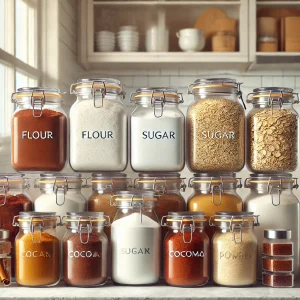
Flour can attract insects, so it’s essential to keep it in airtight containers. Consider storing flour in the freezer if you dont use it frequently, as this can extend its shelf life significantly.
3. Canned Goods
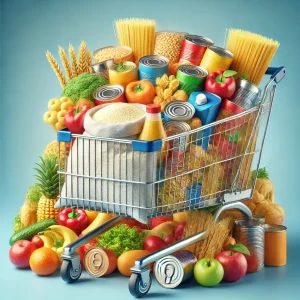
Canned goods are highly durable but should be stored in a cool, dry place. Avoid storing them in areas that experience temperature fluctuations, as this can affect the quality over time.
4. Fresh Produce
For fruits and vegetables, use breathable bags and store them in the fridge. Certain items like potatoes and onions should be kept in a dark, cool area outside of the fridge to prevent sprouting and rotting.
Using Storage Containers Effectively
Investing in quality storage containers is one of the best ways to preserve bulk food items. Here are some popular container types and their advantages:
- Glass Jars: Ideal for dry goods and baking ingredients. Glass doesnt retain odors and is easy to clean.
- Plastic Bins: Great for larger quantities of grains or beans. Make sure the plastic is BPA-free.
- Vacuum-Sealed Bags: Perfect for freezing meats and vegetables. Vacuum-sealing removes air, which helps to prevent freezer burn.
Best Practices for Storing Bulk Food
1. Label Everything
Always label your containers with the contents and purchase date. This will help you keep track of expiration dates and ensure you use older items first.
2. Rotate Stock Regularly
Practice the first in, first out method. Place newly purchased items at the back and move older items to the front. This ensures nothing gets lost or expires without being used.
3. Keep Storage Areas Clean
Regularly clean your pantry and fridge to prevent pests and maintain a sanitary environment. Proper organization also makes it easier to find what you need.
Conclusion
Storing bulk food supplies properly is essential for maximizing their freshness and longevity. By following these tips, you can make sure your food stays safe, tasty, and nutritious for months to come.